The mobile e-health landscape is about to be transformed. We are now embarking on an era where consumerisation will drive the proliferation of integrated mobile medical health.
There are already a staggering number of healthcare apps available to consumers, but the piece of the puzzle that will take consumerised healthcare to another level is the integration and usability of applications, systems and devices across the full spectrum of care.
Research suggests that smartphone and tablet shipments are still on the rise. Another metric on the rise relates to the number of seniors going online. In a recent article from Senior Housing News, 71% of seniors go on-line every day. In addition, tablet ownership among seniors has risen from 2% in 2010 to 25% in 2014. According to the study, the number of seniors going online from their phone has quadrupled from 7% in 2009 to 29% in 2014.
Not only do the families of seniors want to be connected and involved in care, it’s the seniors themselves who are becoming engaged in mobile and internet connectivity.
Further to this, data published on the Intel Healthcare Innovation Barometer demonstrates that we are more ready than ever to embrace technology in monitoring and maintaining our health. The Intel study showed that:
- People are more willing to anonymously share their health records or genetic information than their banking information or phone records.
- Seventy-two percent are receptive to communication technologies that allow them to remotely connect to their doctor.
- Almost half of respondents (43 percent) globally would trust themselves to monitor their own blood pressure and other basic vitals.
- Fifty-three percent of people say they would trust a test they personally administered as much or more than if performed by a doctor.
It’s been no secret that Samsung, WebMD, Apple and Google are all investing heavily into health. Their aim is to help consumers see all their health and wellness data in one place, and provide both platform and integration capabilities into the consumer space. The term “ubiquitous connectivity” is often used in this situation; where mobile platforms are used to integrate health data from disparate sources to provide people with a complete integrated view of their health.
The two dominant players in the mobile space are Apple (iOS) and Samsung (Android). They are both ramping up investment from a device and application perspective. Looking first at the devices, both companies are making use of an increased number of device sensors. The iPhone had 3 sensors in 2007 – accelerometer, proximity, ambient light. In 2013 the iPhone 5s had 5 sensors, adding a 3-axis gyro and fingerprint sensor. The Samsung Galaxy S in 2010 had 3 sensors – accelerometer, proximity and compass, whereas the 2014 Galaxy S5 has 10 sensors adding gyro, fingerprint, barometer, hall, gesture, heart rate, ambient light.
Secondly, Apple and Google are in a race to have the health and fitness platform of choice. The Apple Health platform (HealthKit) allows apps that provide health and fitness services to share their data with the new Health app and with each other. A user’s health information is stored in a centralized and secure location and the user decides which data should be shared with your app. Independent programmers can develop additional apps to integrate with Apple Health.
In addition, Apple Health:
- Displays personal biometric data (heart rate, calories, blood sugar, and cholesterol) from other fitness devices (eg JawBone, Glocose Meter).
- Provides a single app that collates all the data in an easy to read dashboard.
- Allows users to share information with doctors and other healthcare professionals.
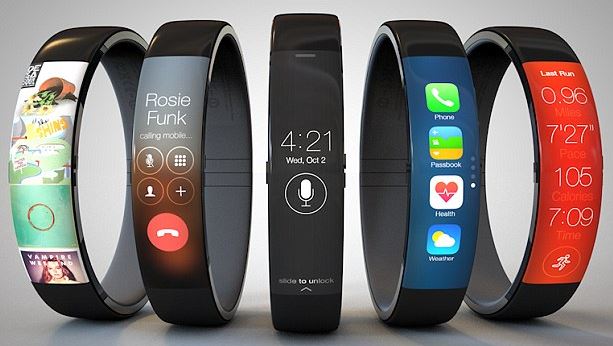
- Enables health providers to take advantage of the sensors in iPhone 6 and the iWatch (coming soon).
- Will soon allow apps to sync with providers electronic health care records, with the aim of seamless integration.
There is no doubt that Apple aims to be the “hub” for health care data. The Apple alliance with IBM will also lead to a significant influx of healthcare mobile apps for the iPhone and iPad.
Google has announced “Google Fit”, which is a health platform similar to Apple Health Kit that allows various apps to share health data for individual users to create a complete picture of their fitness. Whilst the open platform is soon to be released, it looks set to provide developers a single set of API’s to access and store fitness data from apps and sensors. Like Apple, this will eliminate the complexity of accessing multiple sources of information to provide a unified view of fitness activity & overall health.
With the increasing number of seniors going on line and their growing acceptance of technology to help manage and enhance health outcomes, combined with the development of platforms that bring all health data together by integrating apps, hardware and systems, we are positioned for a transformation in electronic healthcare opportunities and management.
So where does this leave us as Healthcare and IT leaders?
- It’s time for a strategy refresh!!! People of all ages (including the older folk) are ready to embrace technology to improve and maintain their health. Ignore these trends at your own peril, and instead look to develop strategies that leverage mobile health app platforms. Depending on your situation, you may need to weigh up the benefits of building your own independent app versus building an app on an existing health platform.
- Consider the opportunities for integrated medical records. Look at opportunities to use these mobile platforms to provide a more integrated solution that, at the end of the day, will ultimately assist the end user to view all their medical data in one place.
- A greater number of sensors and integration points results in more data. As vast amounts of this user-generated data is collected there will be opportunities to monetize that data.
- Telehealth, remote monitoring, telecare – Patient care will become less complex and more affordable with an increased number of devices and software able to connect and integrate seamlessly.
- Issues around security, privacy, consent and ethics still need to be considered.
For more information, please feel free to contact me.

 Ben Ward